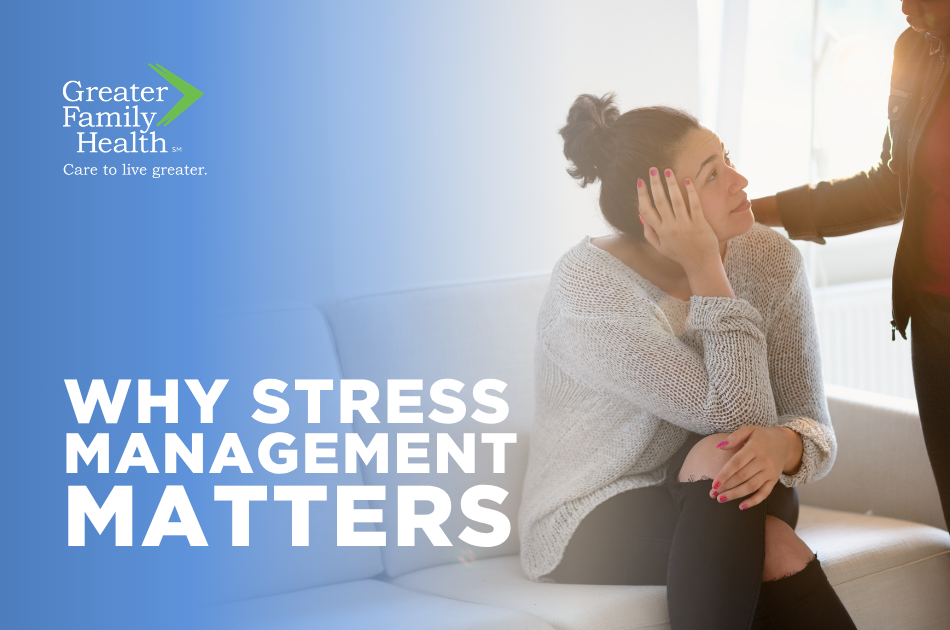
April is recognized as Stress Awareness Month
a time dedicated to understanding, identifying, and managing stress. While many of us focus on maintaining good physical health, our mental health is just as important. When we neglect it, long-term stress can contribute to serious health concerns down the road.
Stress is a normal part of life—and in today’s world, it often feels unavoidable. Some people are naturally more resilient, but everyone experiences stress at different points. What matters most is learning to recognize the signs and developing healthy strategies to maintain balance.
Common Sources of Stress
Everyday life presents a variety of stressors, including:
- Finances
- Family or relationship concerns
- Health challenges
- Work demands
- Daily responsibilities and interruptions
When stress becomes long-term, it can take a toll on the body. Prolonged stress is linked to conditions such as heart disease, high blood pressure, stroke, weakened immunity, diabetes, and mood disorders like severe depression and anxiety. Understanding stress—and how to manage it—can make a meaningful difference in overall well‑being.
Tips for Managing Stress
Here are a few simple practices that can help reduce stress and support mental wellness:
- Stay active: Walk, stretch, practice yoga, or engage in any physical activity you enjoy.
- Eat well: A balanced diet can help stabilize energy levels and improve mood.
- Try relaxation techniques: Deep breathing, meditation, or gentle stretching can calm the nervous system.
- Make time for hobbies: Read, listen to music, watch a favorite show—anything that brings joy.
- Get organized: Prioritize tasks at home or work and eliminate those that aren’t necessary.
- Prioritize sleep: Establish a consistent sleep routine to help your body recover and reset.
- Seek support: Professional counseling can provide new coping skills and stress‑management strategies.
Helpful Resources
If you’re interested in learning more about stress management, these organizations offer helpful information: